
Driving Test Preparation
Preparing for your driving test
On The Morning of Your Test
Tests can sometimes be cancelled at short notice due to poor weather conditions or the examiner's illness. Check your emails, including the junk mail folder, for any RSA test-related communications.
Should your test be cancelled, you should be offered a new date within approximately 7-14 days.
Check for weather-related cancellations on the official RSA website.
Using Your own car for the Test?
Please note: From the 10th March 2026, if you are planning to use your own car for the test, you MUST take a copy of your insurance certificate showing you are a named driver on the policy and show it to the examiner at the start of the test. Failure to do this will result in your driving test not going ahead, and you will lose your test fee.
Check out my 'Driving Test Checklist for When You're Using Your Own Car'.
Driving Test Hand Signals
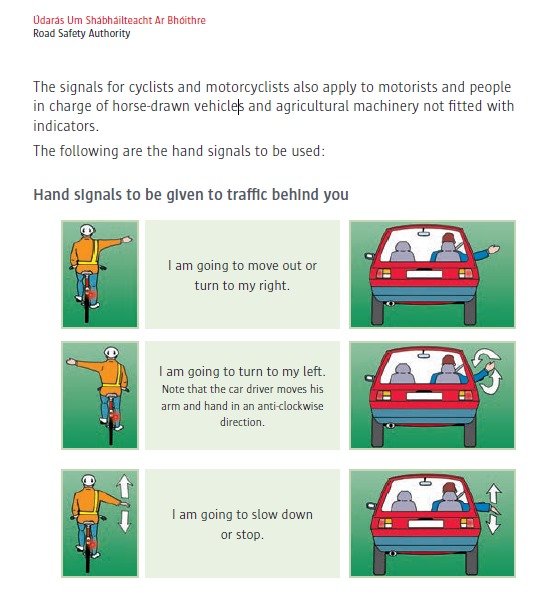
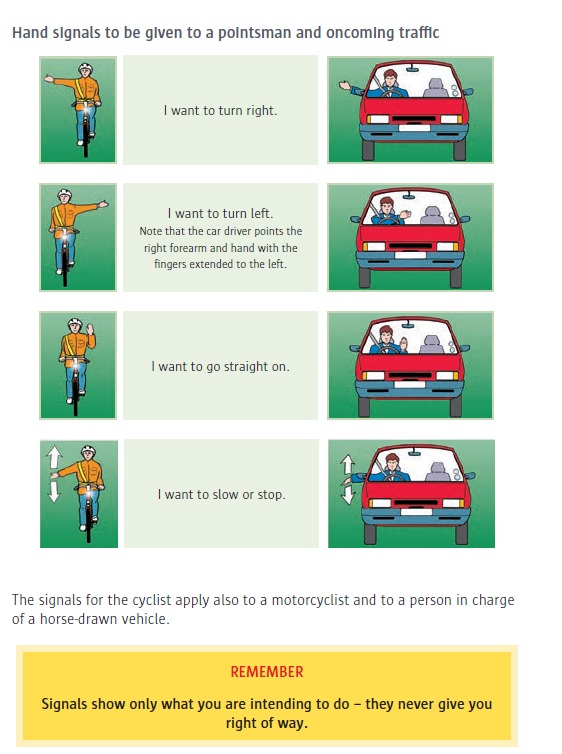
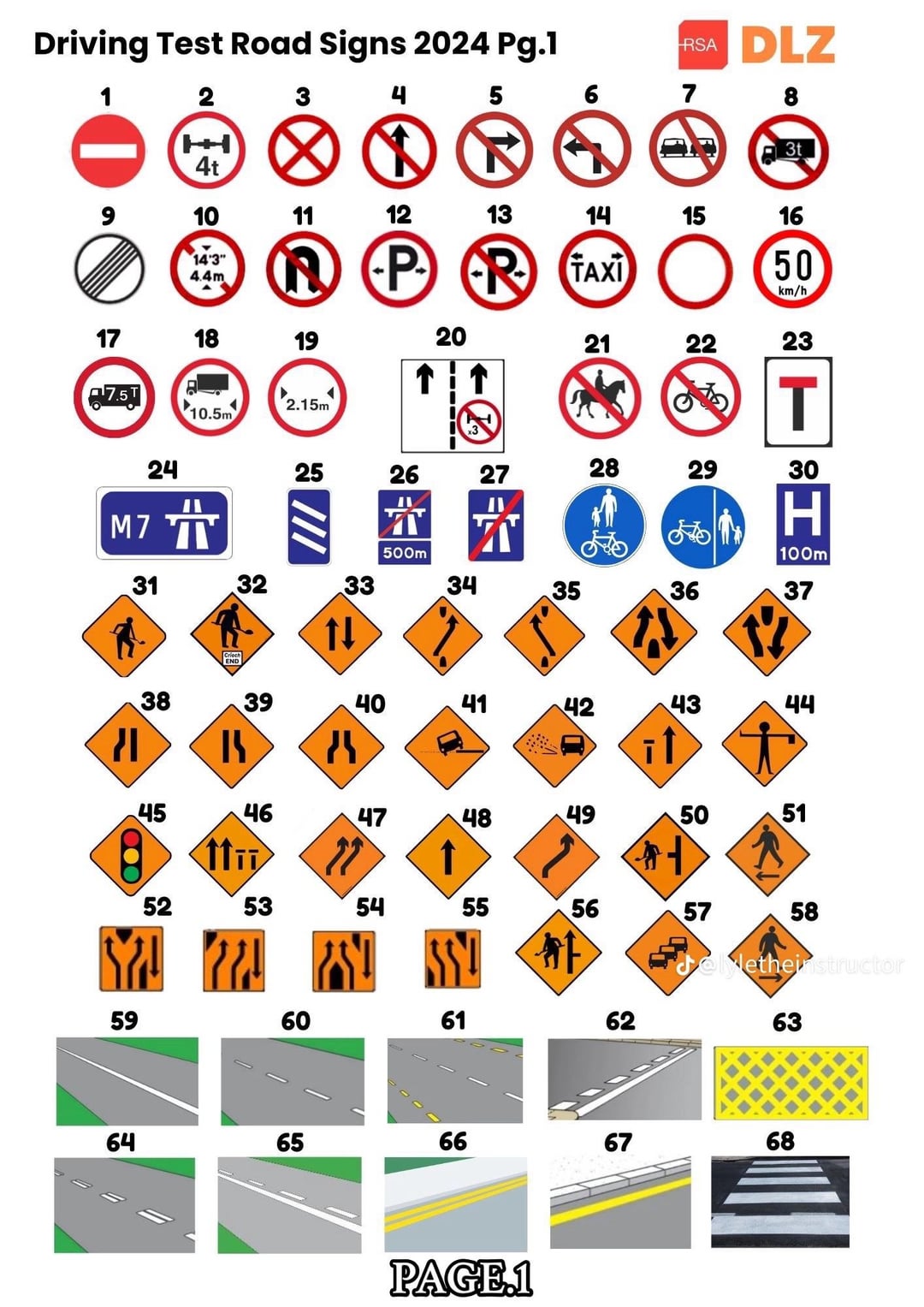
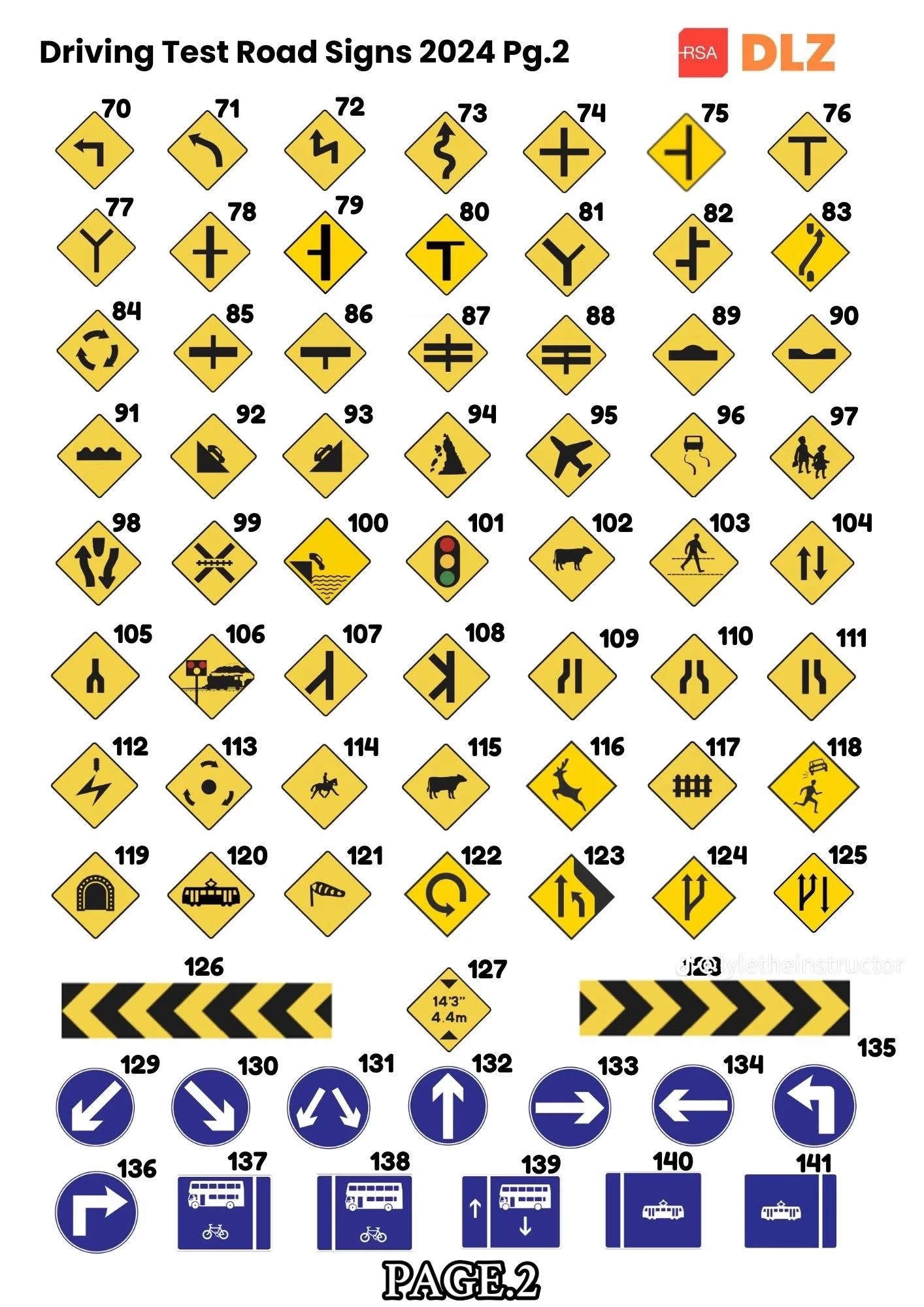
Driving Test Road Signs
Try our Road Sign Quiz.
Click to enlarge
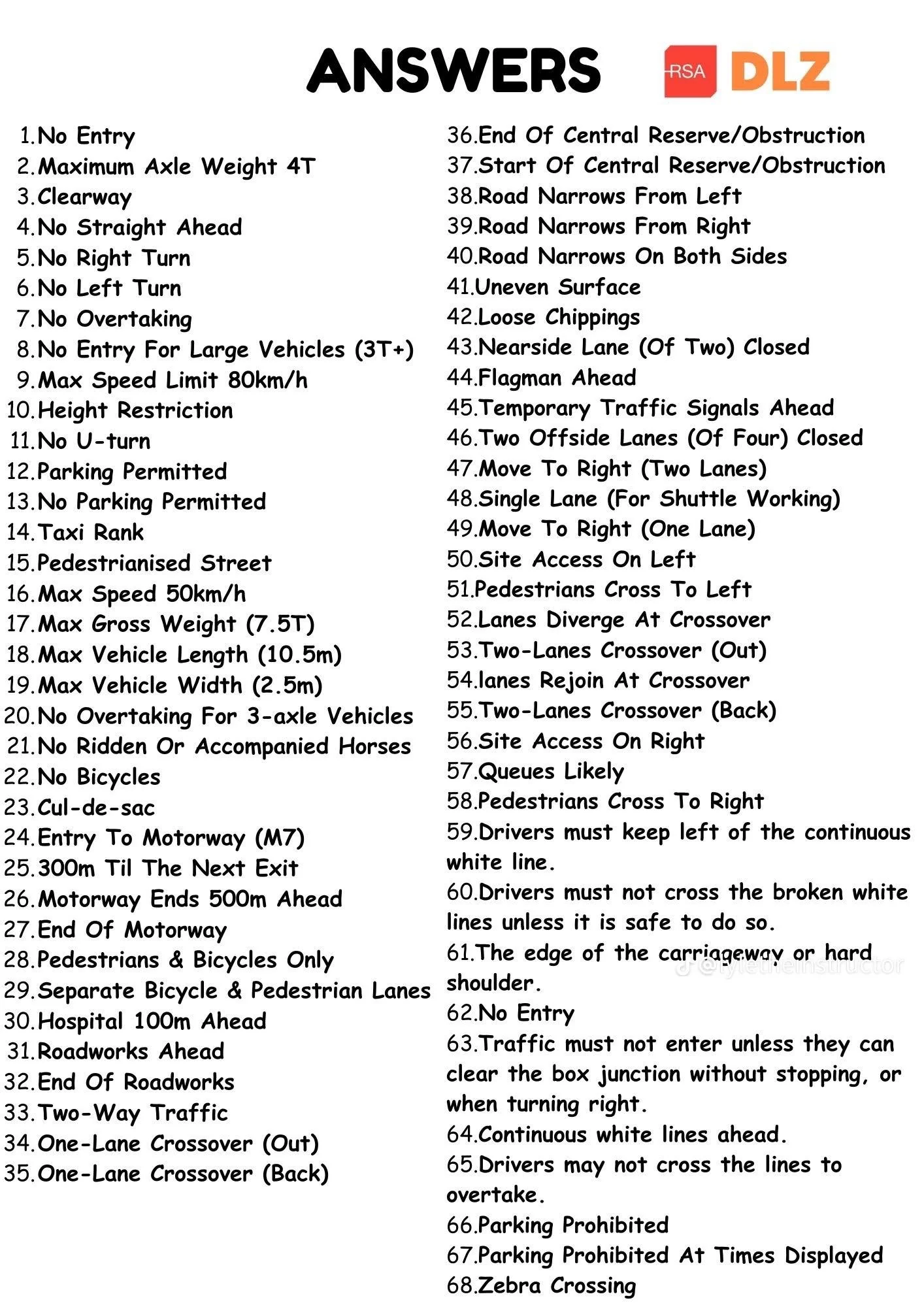
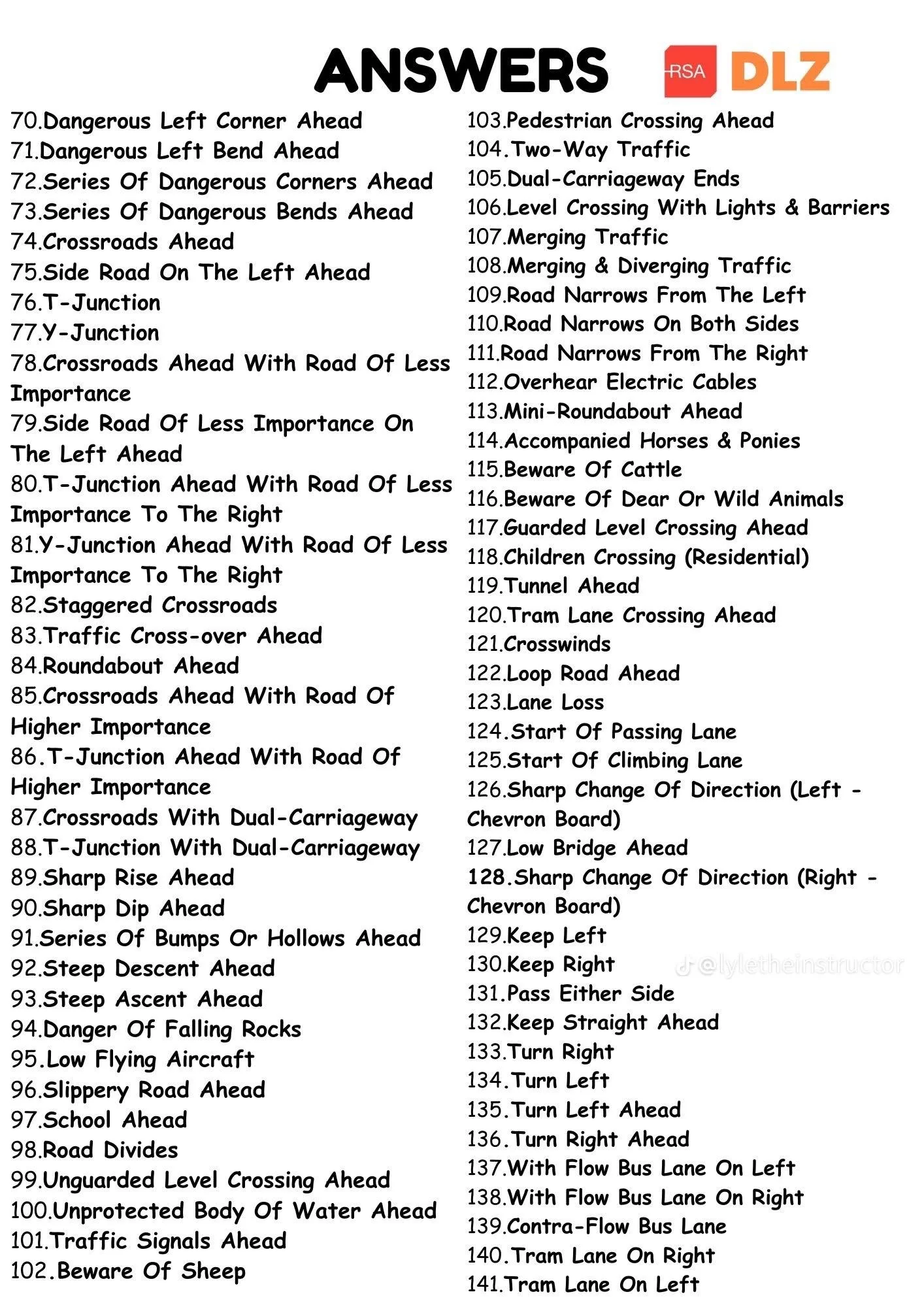
Most Commonly Shown Signs

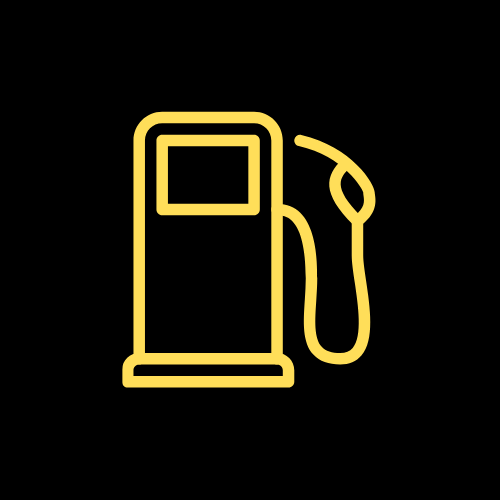
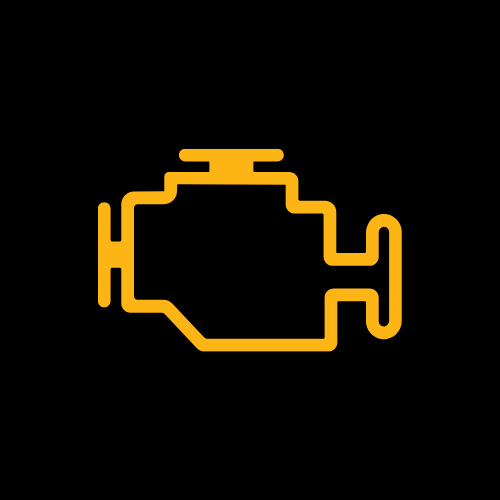
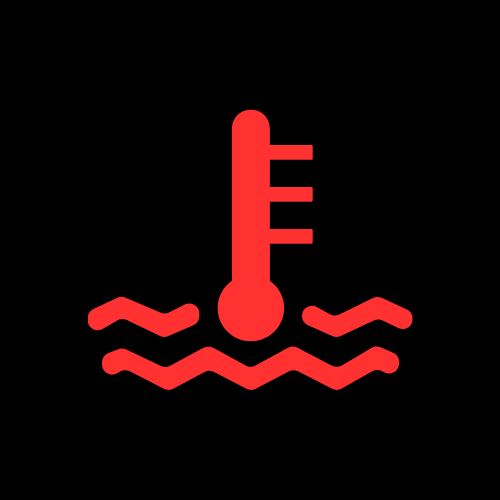
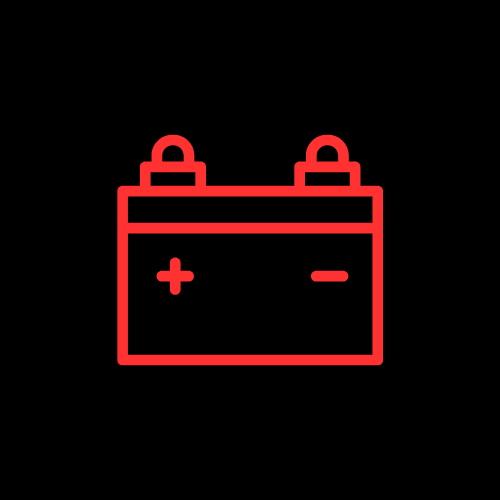
Common Vehicle Warning Lights
Remember:
- Green light - OK
- Amber Light - Warning
- Red light - Stop

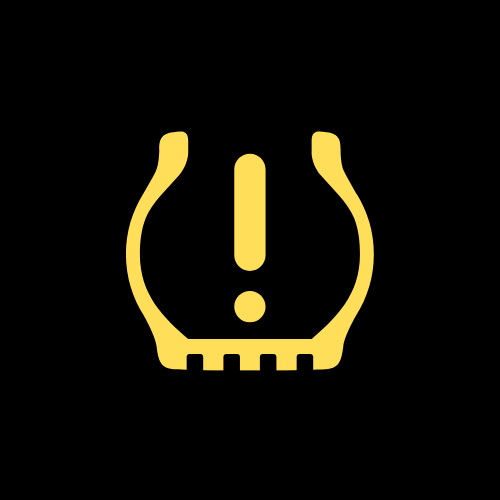
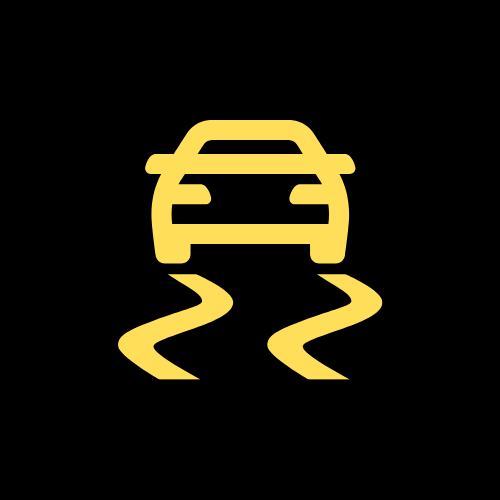
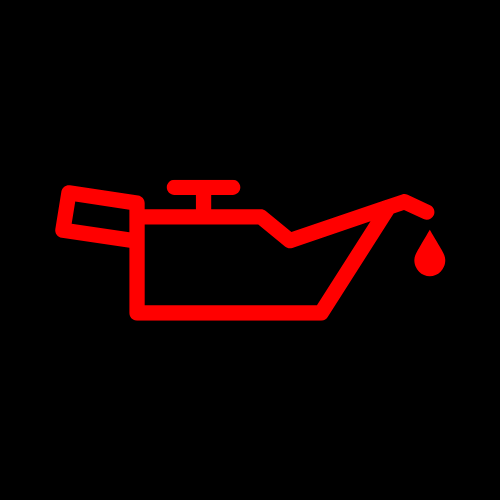

Common Car Checks
Ford Fiesta 2017
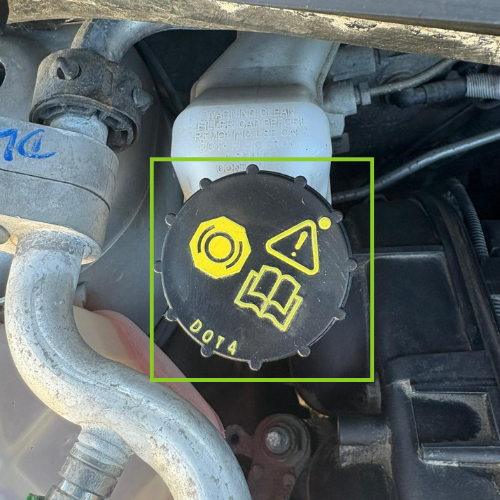
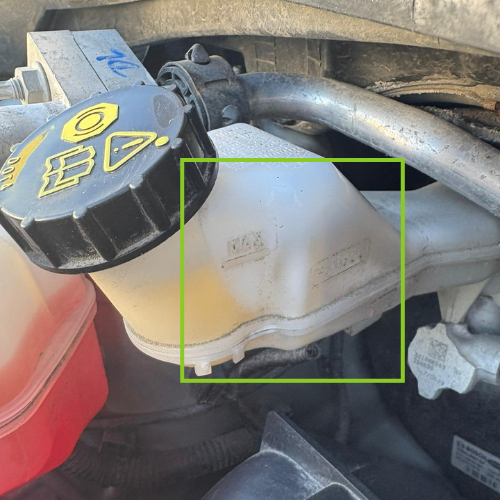
During your driving test, you may be asked a series of technical questions relating to the P.O.W.D.E.R check. You could be asked to lift the bonnet and asked questions about the engine fluids. Click on the image to expand it.
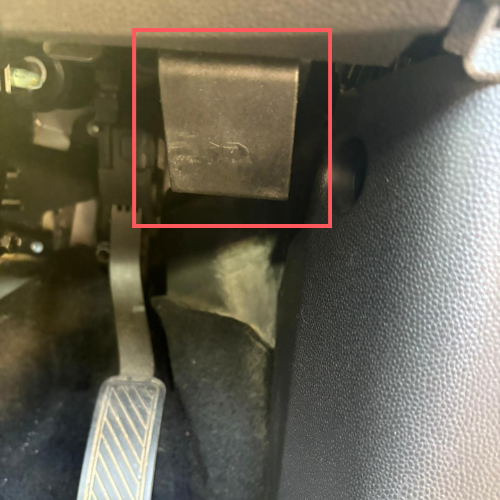
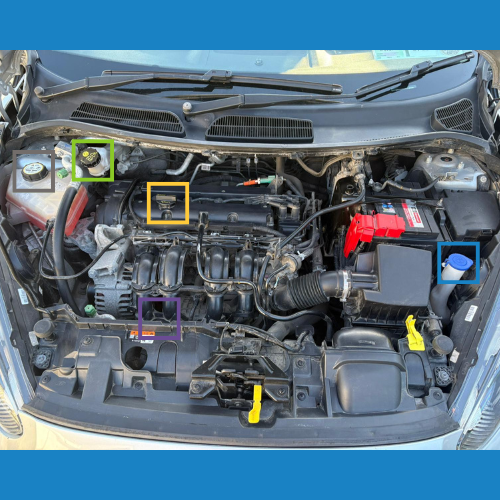
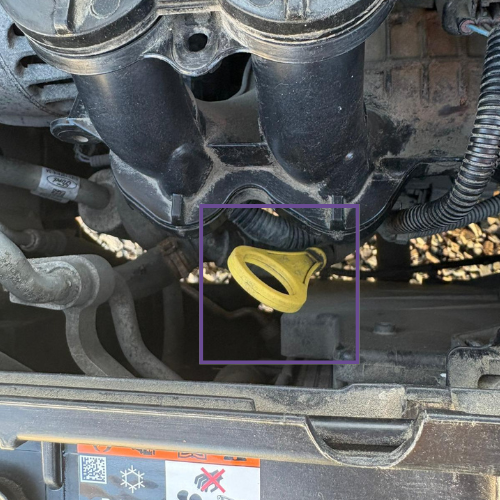
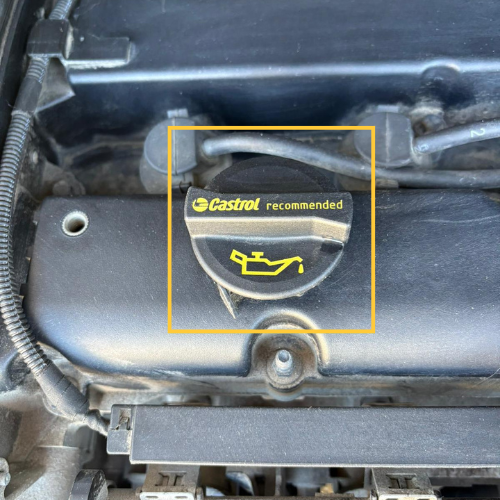
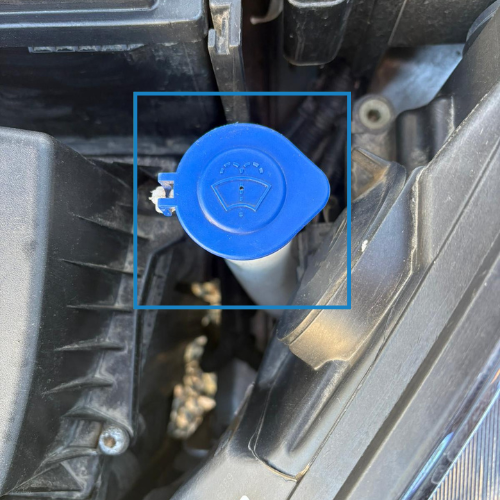
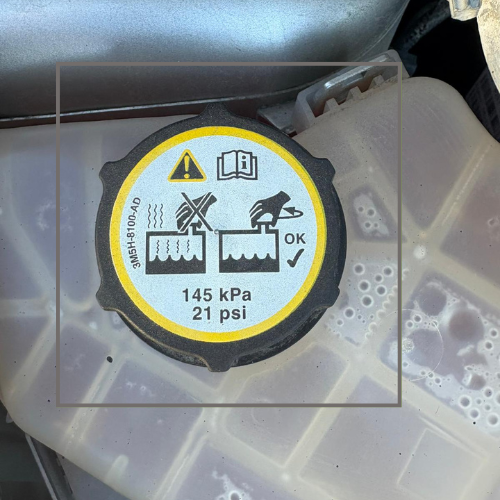
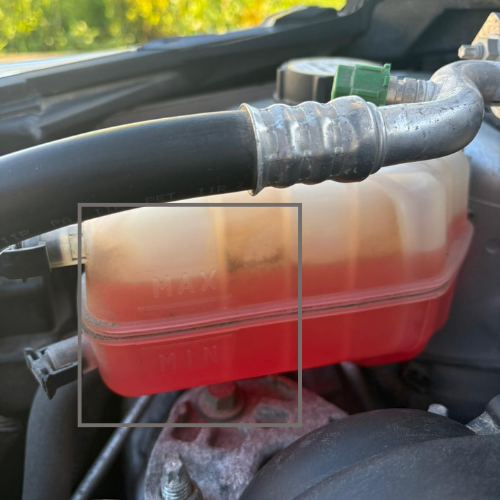
Questions You May Be Asked During Your Test
Most Common Questions
- What's the maximum speed limit on a motorway?
- 120 km/h (unless signs show a lower limit).
- What is the maximum speed limit on a dual carriageway?
- 100 km/h (unless signs show a lower limit).
- What is the purpose of the "Yellow box junction"?
- To keep junctions clear and prevent blocking cross traffic.
- Describe a stop sign.
- A red, octagonal sign with the word STOP in white. You must come to a complete stop and give way to traffic on the main road.
- Who should you give way to on a roundabout?
- Traffic coming from your right, unless road signs or markings say otherwise.
- What does the flashing amber light at a pelican crossing mean?
- You may proceed if the crossing is clear, but must give way to pedestrians still on the crossing.
- What does a steady amber light mean?
- Stop, unless it is unsafe to do so.
- Is there any occasion when you can stop in the yellow junction box?
- Yes. You may stop if you are turning right and are prevented from completing the turn by oncoming traffic or other vehicles also turning right.
- When can you overtake on the left?
- Only in specific situations, such as:
- When traffic is moving slowly in queues
- When the vehicle ahead is turning right, and there is room to pass safely on the left
- On a one-way street with more than one lane
- Only in specific situations, such as:
- What is the minimum tyre tread depth?
- 1.6 mm over the main tread area.
- How would you identify a zebra crossing at night?
- By the flashing amber beacons (Belisha beacons) on black and white striped poles.
- Is there any occasion when you can drive through a red light?
- Yes. When directed to do so by a Garda or when a green filter arrow allows your movement.
- When a solid white line is bordered by a broken white line on your side, what does it mean?
- You may cross the line to overtake if it is safe to do so, but traffic on the opposite side may not cross the solid line.
Show Me Questions (in car)
- When it's safe to do so, can you show me how you wash and clean the rear windscreen?
- When it's safe to do so, can you show me how you wash and clean the front windscreen?
- When it's safe to do so, can you show me how you'd switch on your dipped headlights?
- When it's safe to do so, can you show me how you'd set the rear demister?
- When it's safe to do so, can you show me how you'd operate the horn?
- When it's safe to do so, can you show me how you'd demist the front windscreen?
- When it's safe to do so, can you show me how you'd open and close the side window?
Tell Me Questions
Please tell me how you’d check that the brakes work before starting a journey.
- The brakes should not feel spongy or slack. They should be tested as you set off. The vehicle should not pull to one side.
Please tell me where to find the information on the recommended tyre pressures for this car and how to check tyre pressures.
- According to the manufacturer’s guide, use a reliable pressure gauge, check and adjust pressures when tyres are cold, remember the spare tyre, and refit valve caps.
Tell me how you make sure your head restraint is correctly adjusted so it provides the best protection in the event of a crash.
- The head restraint should be adjusted so the rigid part of the headrestraint is at least as high as the eye or top of the ears, and as close to the back of the head as is comfortable. Note: Some restraints might not be adjustable.
Tell me how you’d check the tyres to ensure that they have sufficient tread depth and that their general condition is safe to use on the road.
- No cuts and bulges, 1.6mm of tread depth across the central three-quarters of the breadth of the tyre, and around the entire outer circumference of the tyre.
Tell me how you’d check that the headlights and tail lights are working. You don’t need to exit the vehicle.
- Explain you’d operate the switch (turn on ignition if necessary), then walk round vehicle (as this is a ‘tell me’ question, you don’t need to physically check the lights).
Tell me how you’d know if there was a problem with your anti-lock braking system.
- Warning light should illuminate if there is a fault with the anti-lock braking system.
Tell me how you’d check the direction indicators are working. You don’t need to exit the vehicle.
- Explain you’d operate the switch (turn on ignition if necessary), and then walk round vehicle (as this is a ‘tell me’ question, you don’t need to physically check the lights).
Tell me how you’d check the brake lights are working on this car.
- Explain you’d operate the brake pedal, make use of reflections in windows or doors, or ask someone to help.
Tell me how you’d check the power-assisted steering is working before starting a journey.
- If the steering becomes heavy, the system may not be working properly. Before starting a journey, 2 simple checks can be made. Gentle pressure on the steering wheel, maintained while the engine is started, should result in a slight but noticeable movement as the system begins to operate. Alternatively turning the steering wheel just after moving off will give an immediate indication that the power assistance is functioning.
Tell me how you’d switch on the rear fog light(s) and explain when you’d use it/them. You don’t need to exit the vehicle.
- Operate switch (turn on dipped headlights and ignition if necessary). Check warning light is on. Explain use.
Tell me how you switch your headlight from dipped to main beam and explain how you’d know the main beam is on.
- Operate switch (with ignition or engine on if necessary), check with main beam warning light.
Tell Me Questions (under bonnet)
Open the bonnet and tell me how you'd check that the engine has sufficient oil.
- Identify the dipstick/oil level indicator, describe check of oil level against minimum and maxium indicators.
Open the bonnet and tell me how you'd check that the engine has sufficient engine coolant.
- Identify the high and low markings on the header tank where fitted or on the radiator filler cap, describe how to top up to the correct level.
Open the bonnet and tell me how you'd check that you have a safe level of hydraulic brake fluid.
- Identify the reservior, and check the level against the high and low markers.
The Test Marking Sheet
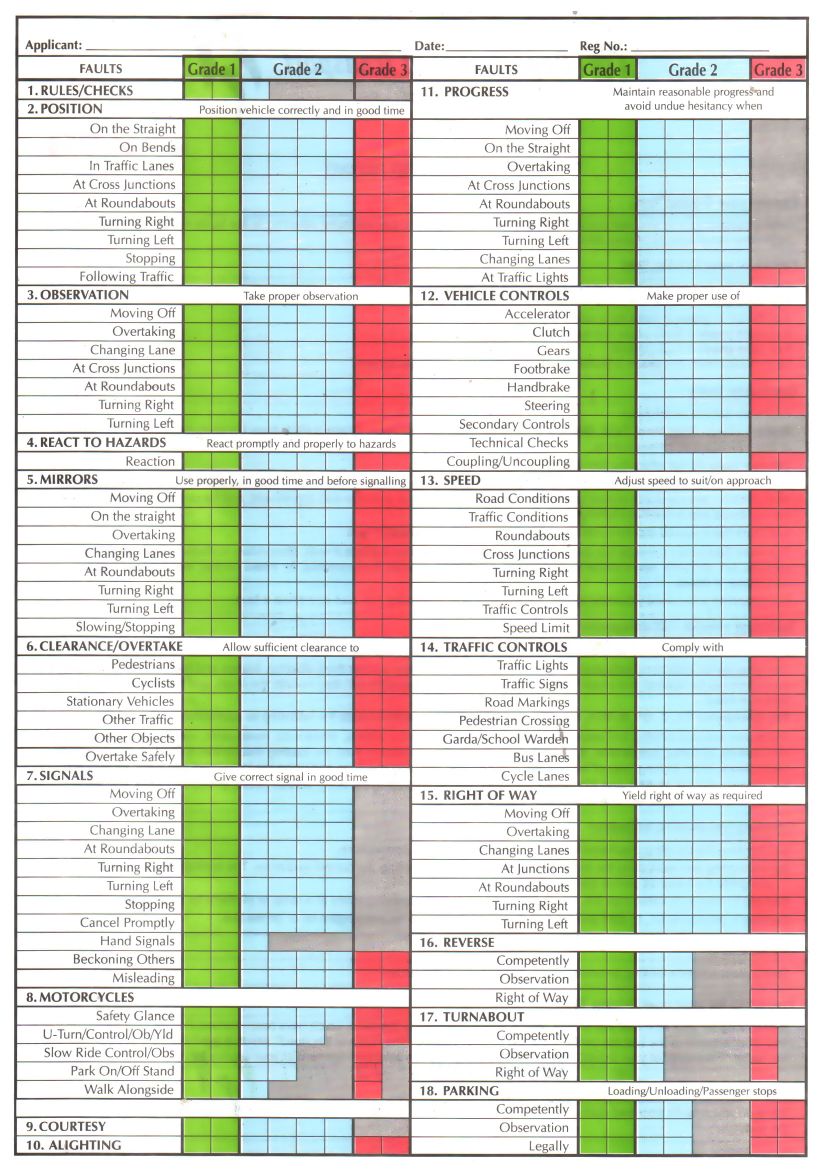
From early May 2025, Grade 1 marks are being removed from the driving test score sheet.
- Grade 2 = 4 on one subject, 6 in one area or 9 in total and you fail.
- Grade 3 = One and you fail.
RSA Official Documents
-
What to expect on your test.
-
Examiner marking guidelines.
-
If you're unhappy with how your driving test was conducted or feel you were unfairly treated.