
5 Essential Tips for Winter Driving in Ireland
The Unique Challenges
Winter driving in Ireland presents unique challenges, especially on rural and coastal roads across Donegal and Inishowen. Shorter daylight hours, heavy rain, ice, frost and occasional snow can all make everyday journeys more demanding. Whether you are a learner driver or an experienced motorist, adapting your driving style during winter is essential for staying safe.
Here are five practical and professional winter driving tips from Get2Drive to help you stay in control when conditions deteriorate.
1. Slow Down and Increase Your Following Distance
One of the biggest mistakes drivers make in winter is driving at normal speeds. Cold temperatures reduce tyre grip and increase stopping distances, particularly on wet or icy roads.
Use the “tyres and tarmac” rule in traffic. You should be able to see the rear tyres of the vehicle in front touching the road, with clear tarmac between you and them. In wet conditions, double your normal following distance. In icy or snowy conditions, increase it even further.
Slower speeds give you more time to react and reduce the risk of skidding or losing control.
2. Drive Smoothly and Avoid Sudden Inputs
Winter driving is all about smooth control. Sudden steering, harsh braking or rapid acceleration can quickly overwhelm the grip available from your tyres.
Anticipate hazards early and plan well ahead. Brake gently and progressively, steer smoothly and accelerate gradually. This is especially important on bends, at junctions and when approaching roundabouts.
If your vehicle begins to skid, stay calm. Ease off the pedals and steer gently in the direction you want the car to go.

3. Watch Out for Ice in High Risk Areas
Ice is often invisible and can catch even confident drivers off guard. Some areas are far more likely to freeze than others, particularly in the early morning or after sunset.
Be extra cautious on:
- Bridges
- Shaded country roads
- Near forests or high hedges
- At the bottom of hills and in dips
If temperatures are close to zero, assume ice may be present even if the road looks wet rather than frozen.
4. Make Sure Your Car Is Winter Ready
A well maintained vehicle is vital during winter months. Before heading out, especially in poor weather, take a few minutes to check the basics.
Focus on:
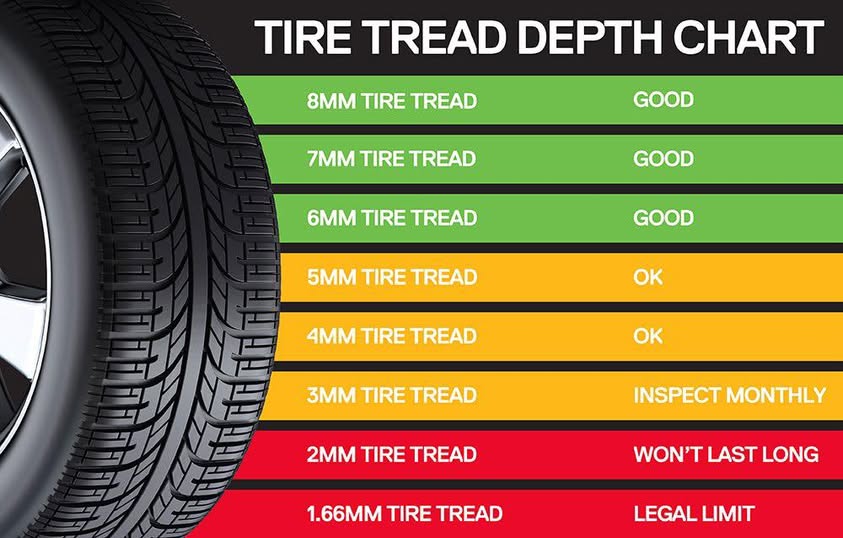
- Tyres with good tread depth and correct pressures
- Fully functioning lights and demisters
- Windscreen wipers and washer fluid topped up
- Adequate fuel, especially on longer journeys
- Clear all snow and ice from windows, mirrors, lights and the roof of the car before driving. Driving with limited visibility is both dangerous and illegal.
5. Plan Ahead and Ask If the Journey Is Necessary
Good winter driving starts before you turn the key. Check weather forecasts and local travel alerts, particularly during severe weather warnings from Road Safety Authority.
If conditions are poor, ask yourself whether the journey is essential. Allow extra time, choose safer main routes where possible and let someone know your plans if travelling longer distances.
For learner drivers, winter is an excellent time to practise hazard awareness and defensive driving, but only when conditions are suitable and with proper guidance.
Stay Safe This Winter with Get2Drive
Winter conditions demand patience, anticipation and respect for the road. By slowing down, driving smoothly and preparing both yourself and your vehicle, you significantly reduce your risk.
If you are learning to drive or want to build confidence in challenging conditions, professional tuition makes a real difference.
Get2Drive offers structured, local driving lessons across Inishowen, with a strong focus on safe, confident and adaptable driving.